Hiding in Plain Sight, in the Most Logical Place
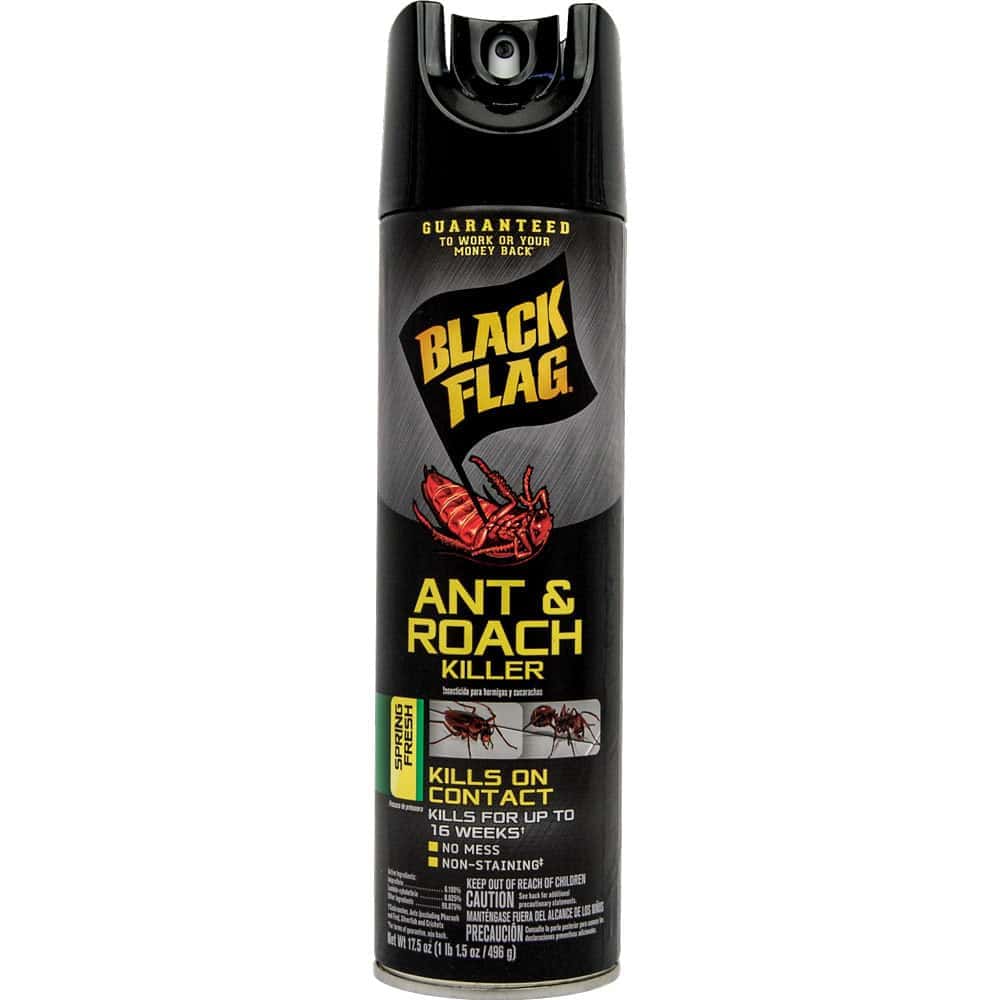
The garage, utility room, and under the sink are places that rarely get searched carefully. They’re cluttered, they’re practical, and they’re full of items that don’t look like they contain anything valuable. An insect spray can fits naturally in all three. The exterior is designed to match the proportions and appearance of the real product so that it doesn’t stand out even to someone who’s specifically looking around.
Diversion safes aren’t a substitute for a locked container with high-value items, but they’re a genuinely effective tool for everyday valuables — and they cost a fraction of a traditional safe.
Who This Diversion Safe Is For
This works well for homeowners, renters, and anyone in a shared living situation who wants a low-profile spot for small valuables that doesn’t require drilling, mounting, or explaining. It’s a solid option for keeping spare emergency cash somewhere that isn’t a wallet, a nightstand drawer, or a sock drawer — the spots that get checked first.
It’s also a practical addition for anyone who already has a primary safe and wants a backup hiding spot in a different area of the home. Spreading out where you keep things means a single discovered location doesn’t expose everything.
Is This the Right Choice for You?
Choose this diversion safe if you want:
- A hidden storage spot that fits naturally in a garage, utility room, or kitchen cabinet
- Zero installation — just set it down where it makes sense
- An inexpensive secondary hiding location for small valuables
- Something that works without a lock — concealment is the mechanism here
Consider something else if you need:
- Storage for anything larger than small jewelry, coins, folded bills, or a spare key
- A locked container — this relies entirely on not being recognized as a safe
How It Works
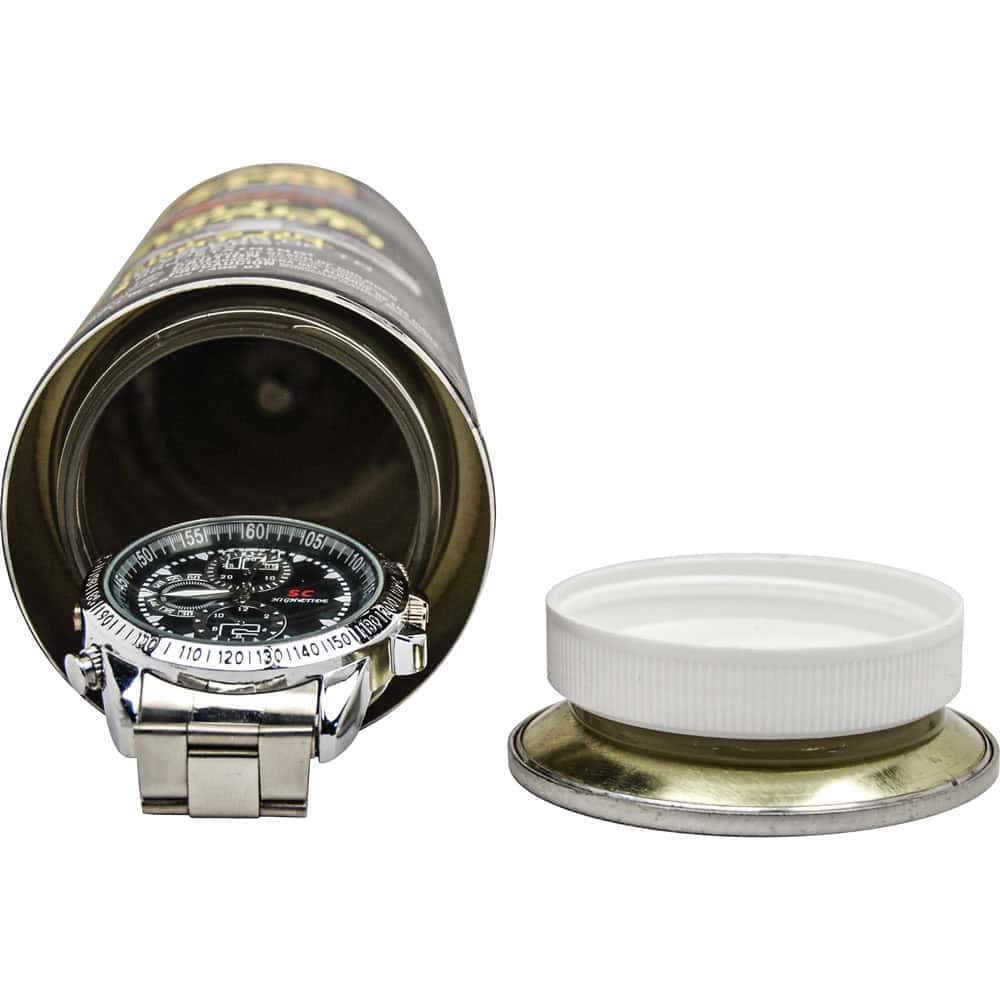
The canister unscrews or opens to reveal the internal storage compartment. The interior measures 1 3/4″ wide by 3 3/4″ tall — enough for a small roll of bills, a spare key, rings or earrings, a few coins, or similar compact items. The exterior matches the dimensions and appearance of a standard household insect spray can. At 0.55 lbs, it sits and handles the way an empty or lightly used spray can would.
Placement does a lot of the work. A garage shelf with other yard and utility products, a cabinet under the laundry sink, or a utility room with cleaning supplies are all natural homes for this. The goal is for it to be exactly as interesting to look at as every other item on that shelf — which is to say, not interesting at all.
Quick Comparison: How Does This Diversion Safe Stack Up?
| Feature |
Insect Spray Diversion Safe |
Wall Safe |
Lockbox |
Drawer Safe |
| Installation Required |
None ✓ |
Yes |
None |
None |
| Recognizable as a Safe |
No ✓ |
Possibly |
Yes |
Possibly |
| Lock Mechanism |
No |
Yes ✓ |
Yes ✓ |
Yes ✓ |
| Ideal Location |
Garage, utility room ✓ |
Closet, wall |
Anywhere |
Bedroom, office |
| Cost |
Low ✓ |
High |
Medium |
Medium |
| Best For |
Concealed household storage |
High-value secured items |
Documents, firearms |
Accessible bedroom valuables |
Practical Details
Interior dimensions: 1 3/4″ x 3 3/4″. Weight: 0.55 lbs. Designed to resemble a standard household insect spray canister. No batteries, no installation, no tools required. Access by unscrewing or removing the concealed opening. Works on concealment only — does not include a lock. Best used as a secondary storage location or for items that don’t require a locked container. Pairs well with a traditional safe for a layered home security approach.
At the price point, it’s an easy addition to a garage shelf or utility cabinet. Place it where it makes sense, put what you need inside, and let it do its job by not looking like anything worth opening.
Frequently Asked Questions
Where in my home does this work best?
It works best wherever a can of insect spray would logically appear. A garage shelf alongside other yard and outdoor products is ideal. A utility room, laundry area, or cabinet under a sink with cleaning supplies also works well. The key is context — it should blend into a group of similar products rather than sit alone somewhere it would look out of place. A garage shelf full of household products is one of the least-searched areas in a typical home, which makes it a practical placement for this kind of safe.
What’s the difference between this and a regular safe?
A traditional safe uses a physical lock and reinforced construction to resist opening by force. This safe uses concealment — it works by not being recognized as a safe in the first place. The tradeoff is that if someone opens it not knowing what it is (or knowing exactly what it is), there’s nothing to stop them from accessing the contents. For that reason, it works best for everyday valuables — spare cash, a backup key, small jewelry — and as a complement to a locked safe rather than a replacement for one.
How realistic does it look?
It’s designed to match the proportions, shape, and general appearance of a household insect spray canister. On a shelf with similar products, it’s indistinguishable from the real thing at a glance. The weight at 0.55 lbs is light, similar to a partially used or empty canister, so it doesn’t feel noticeably off if someone picks it up. Like any diversion safe, its effectiveness depends partly on placement — in a logical environment, it works well. Isolated on an otherwise empty surface, anything looks more conspicuous.
Can I use this as my only security measure?
It can stand alone for low-stakes items — a spare key, some emergency cash, everyday jewelry you don’t want to leave in an obvious spot. For anything with significant monetary or sentimental value, it works better as part of a layered approach: keep your most important items in a locked safe, and use this as a secondary location to distribute where you keep things. If someone does find one hiding spot, they haven’t found everything. That’s the thinking behind using both.





Reviews
There are no reviews yet.