The Number That Actually Matters Is 4.9 Milliamps
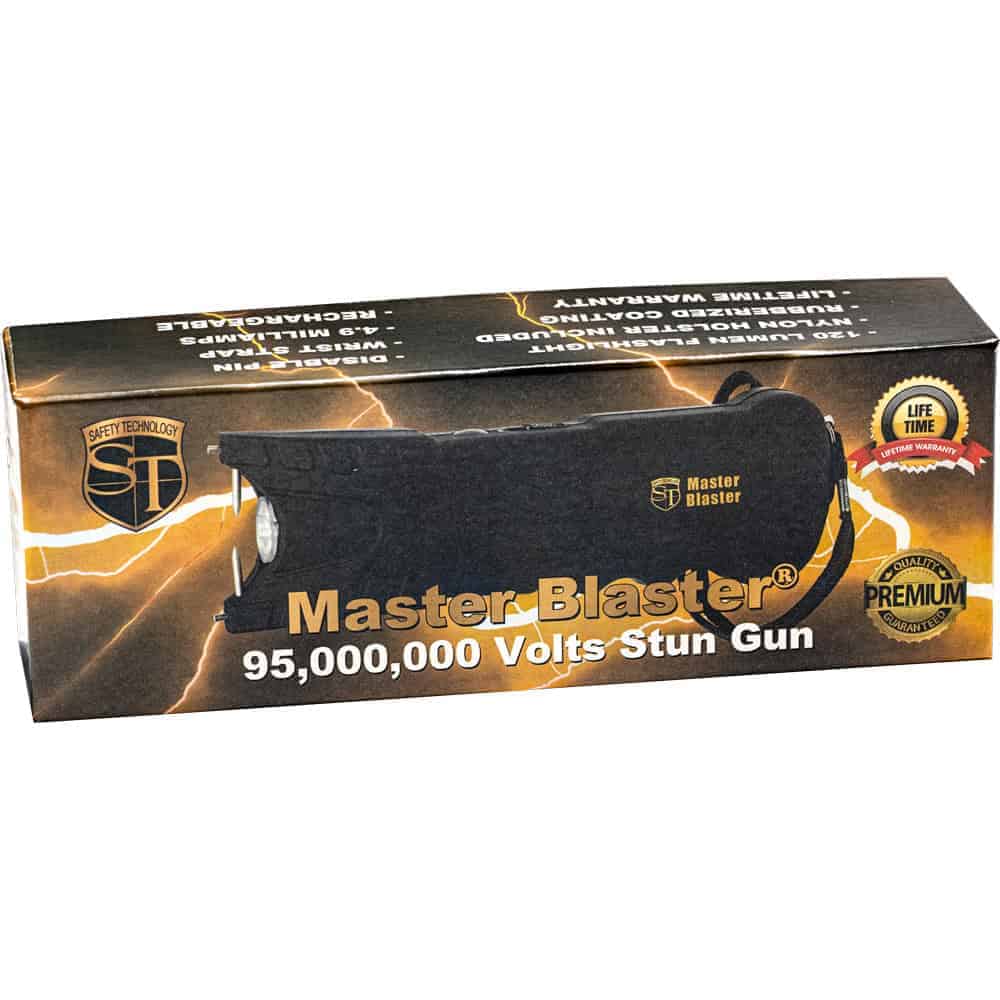
Here’s what I learned when I started comparing stun guns: everyone leads with voltage because it’s a big number that sounds impressive. What actually determines effectiveness is milliamps — that’s the measure of current that affects the body. The Master Blaster delivers 4.9 milliamps, which is on the high end for a handheld stun gun in this size class.
The 95 million volts produces a loud crack and a visible arc when you test-fire it. That arc is genuinely useful — the sound alone can stop a situation from escalating. But it’s the milliamp output that backs it up if it doesn’t.
Who This Stun Gun Is For
People who want a single tool that handles both a flashlight and a stun gun will appreciate this. Night-shift workers, people who park in unlit lots, and folks who want something with more grip than a keychain stun gun are all well-served by the 6.5-inch form factor.
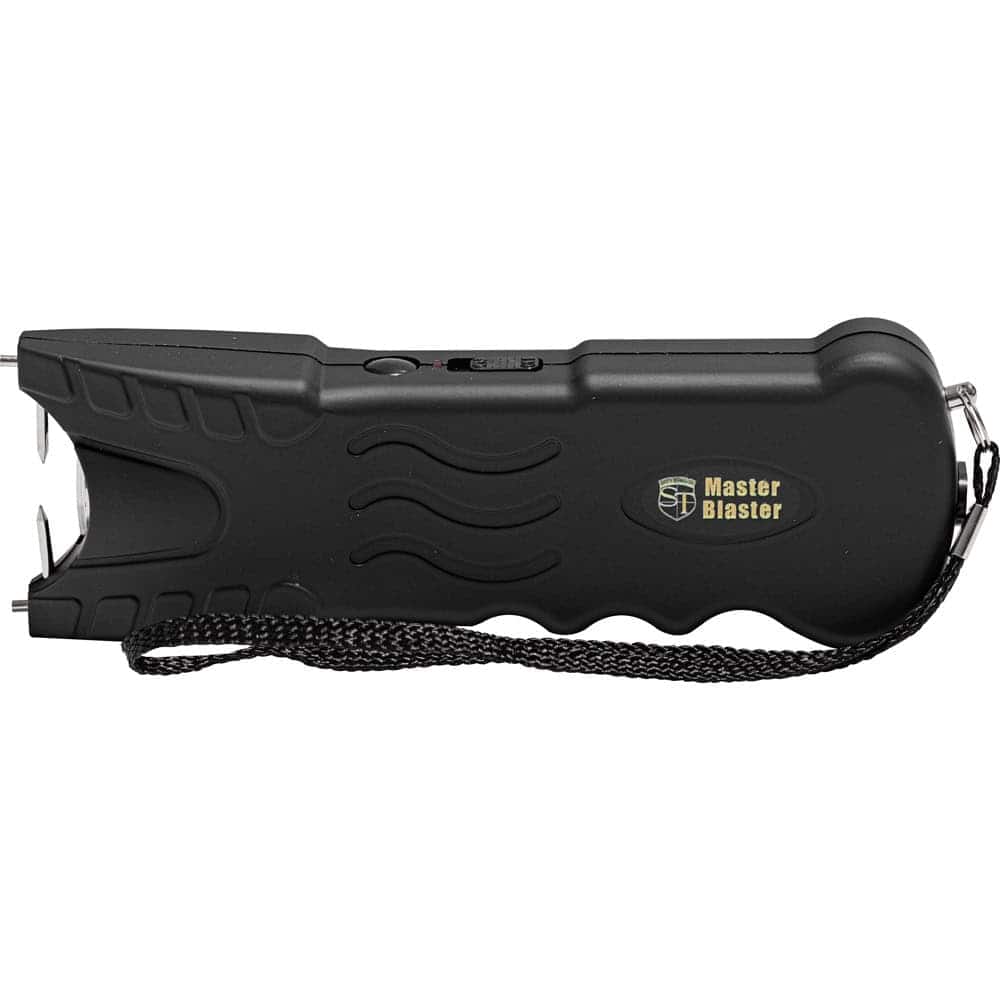
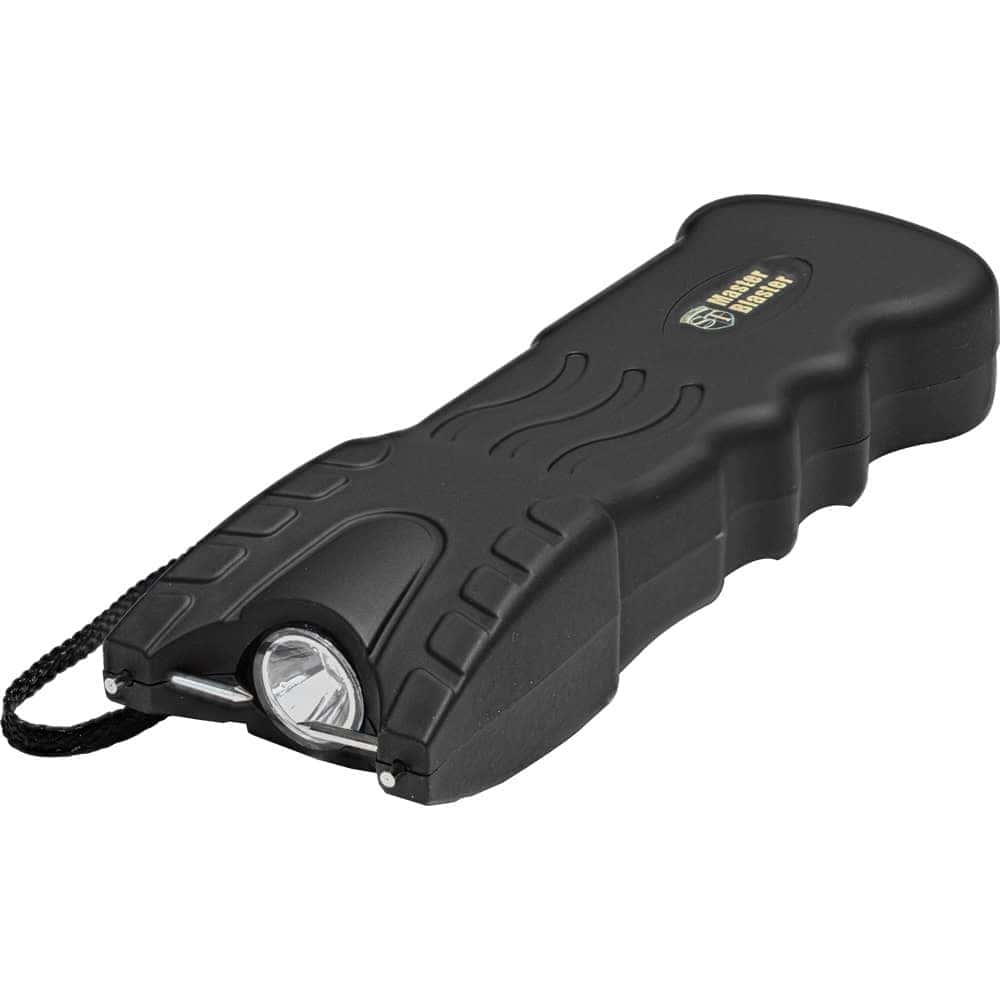
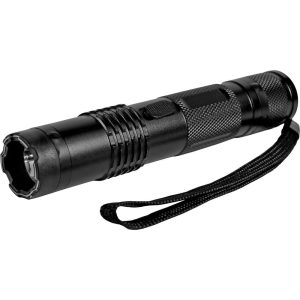
The rubberized coating on the ABS plastic body gives it a secure hold even when your hands aren’t perfectly steady. The finger-groove handle design is specifically built for larger hands — if smaller keychain stun guns have felt awkward to grip, this one is worth the comparison.
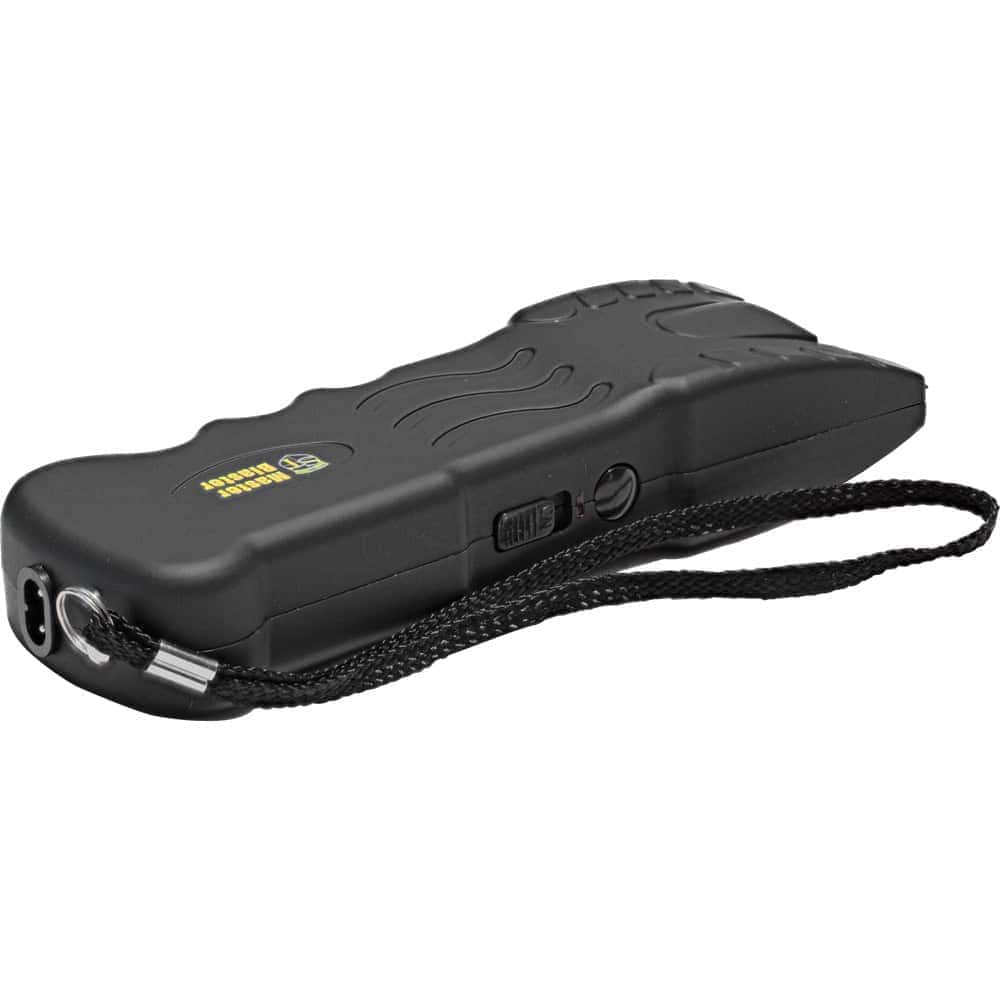
The disable pin is an important feature to understand: the wrist strap connects to a pin in the device. If someone grabs the stun gun and pulls it away, the pin comes out and the unit stops working. That’s a practical safety feature, not just a specification.
Is This the Right Choice for You?
Choose the Master Blaster if you want:
- Higher milliamp output (4.9mA) in a mid-size stun gun
- A built-in 120-lumen flashlight for everyday utility
- A grip designed for larger hands with rubberized control
- Disable pin safety as an added security layer
- Rechargeable battery so you’re not buying replacements
Consider something else if you need:
- A keychain or pocket-size option — at 6.5 inches, this is a mid-size stun gun, not a micro unit
- Maximum range — stun guns require direct contact; pepper spray or a TASER work at distance
How It Actually Works
The Master Blaster has two safety layers: a physical switch and a disable pin. Both need to be in the correct state for the stun gun to fire. The switch prevents accidental activation in a bag or holster. The disable pin — attached to the wrist strap — cuts power if the device is taken from you. These aren’t gimmicks; they’re meaningful design decisions that make the tool safer to carry and harder to turn against you.
The 120-lumen flashlight is bright enough to be genuinely useful — not a token feature. It works independently from the stun function, so you can use it as a regular flashlight without activating anything else. That kind of everyday utility is part of what makes carrying it consistently realistic.
Charging is via the included cord — plug it in like any USB device. The rechargeable lithium battery means you’re not hunting for replacement batteries. Charge it monthly or whenever you think about it, and it stays ready. The nylon holster clips to a belt for accessible carry.
Quick Comparison: How Does the Master Blaster Stack Up?
| Feature |
Master Blaster |
Keychain Stun Gun |
Stun Baton |
TASER Device |
| Milliamp Output |
4.9mA ✓ |
Typically 3–4mA |
Varies by model |
N/A (different tech) |
| Flashlight |
120 lumens ✓ |
Sometimes included |
Sometimes included |
Not typically included |
| Size |
6.5 inches — mid-size |
Under 4 inches ✓ |
16–21 inches |
Varies by model |
| Disable Pin |
Yes ✓ |
Varies |
Rarely |
Yes ✓ |
| Effective Range |
Contact only |
Contact only |
Contact + reach ✓ |
15–25 feet ✓ |
| Best For |
Larger hands, daily carry |
Keychain, minimal carry |
Reach + stun capability |
Distance engagement |
Practical Details
Dimensions: 6 1/2″ x 2 1/4″ x 1 1/2″. Weight: 0.6 lbs. Voltage: 95,000,000V. Milliamps: 4.9mA. Flashlight: 120 lumens. Battery: rechargeable lithium (charger cord included). Safety: disable pin wrist strap + on/off switch. Holster: nylon belt holster included. Material: ABS plastic with rubberized coating. Warranty: lifetime. Color: black.
If milliamp output, grip quality, and an integrated flashlight are your priorities, the Master Blaster is a well-built option with lifetime warranty backing and real stopping capability.
Frequently Asked Questions
What’s the difference between milliamps and voltage, and why does it matter?
Voltage is what most stun gun marketing leads with because the numbers are large and attention-grabbing. Milliamps measure the actual current delivered — and current is what produces the physical effect. A stun gun with high voltage but low milliamp output is less effective than one with lower voltage but higher milliamp delivery. At 4.9 milliamps, the Master Blaster is on the stronger end for handheld units in this category.
How often do I need to charge the battery?
The rechargeable lithium battery holds a charge well during standby. A practical habit is to charge it once a month whether it seems like it needs it or not — similar to how you’d maintain a backup flashlight. The included charging cord works like a standard device cable. Full charging typically takes a couple of hours from a depleted state.
How does the disable pin work in practice?
The disable pin connects to the wrist strap. When you’re holding the stun gun, the pin is in place and the device functions normally. If the stun gun is grabbed and yanked away from you, the wrist strap pulls the pin out and the device deactivates — it can’t be fired against you. To reset it, you reinsert the pin. It’s a straightforward safety mechanism that’s worth understanding before you carry it.
Is the flashlight usable without activating the stun function?
Yes. The flashlight operates independently from the stun function via a separate control. You can use it as a standard 120-lumen flashlight without the stun gun being active. This is worth knowing because it means you can use the light in everyday situations — parking lots, power outages, finding something in a dark car — without worrying about accidentally activating anything.


Reviews
There are no reviews yet.