A Simple Layer of Window Security That Actually Stays Out of Your Way
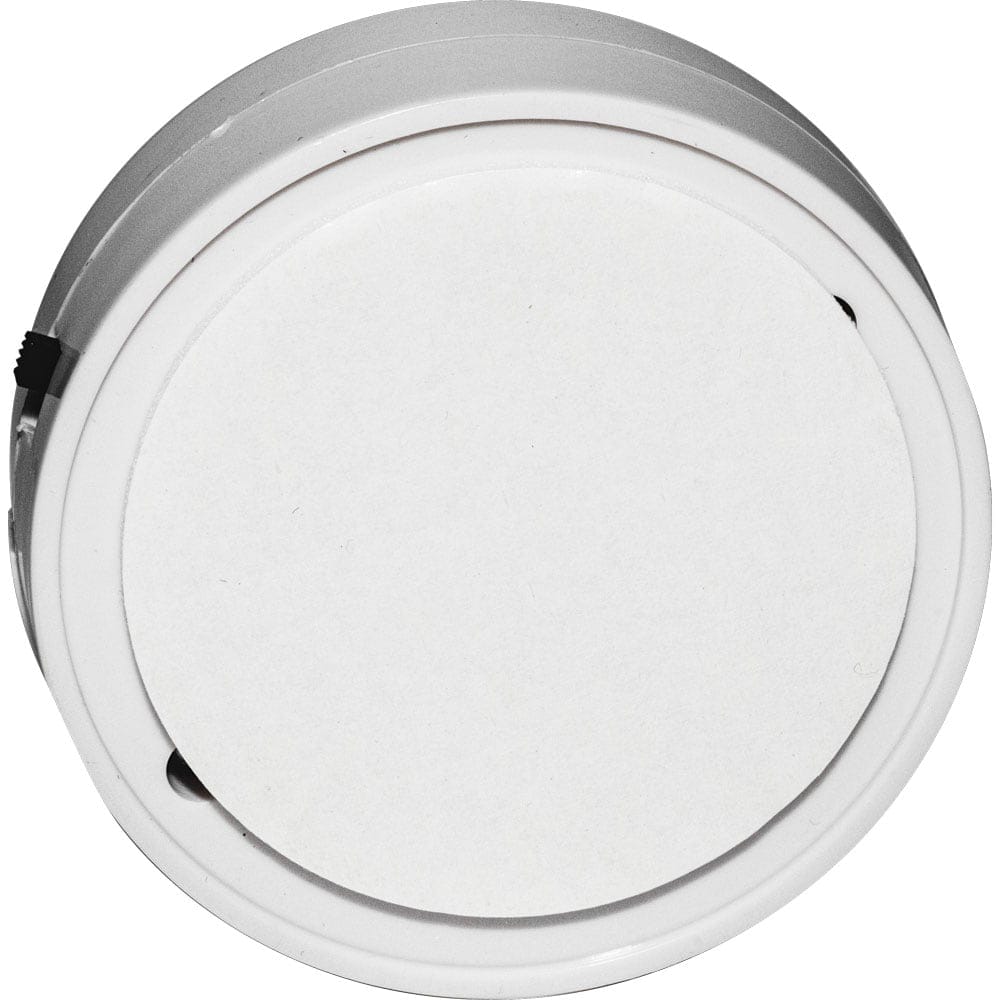
Most window security options involve either expensive professional installation or a full alarm system subscription. These glass break alarms skip all of that. You peel off the backing, press them onto the glass, switch them on, and they’re working. The vibration sensor means you don’t need a full break — impact alone is enough to trigger the alarm. That’s a meaningful difference if you’re worried about someone testing a window before committing.
The 30-second siren cycle is thoughtful design too. It’s long enough to draw attention and deter someone, but it resets on its own so you’re not dealing with a stuck alarm after a branch taps the glass during a storm.
Who This Glass Break Alarm Is For
Renters are a natural fit here — no drilling, no damage to frames, nothing that affects your security deposit. You stick them on, and when you move out, they come with you.
Homeowners who want basic coverage on basement windows, garage windows, or secondary entry points without wiring anything will appreciate how straightforward these are. They’re also useful for small businesses — a shop owner who wants an extra layer on a display window without a full monitored system gets exactly that.
If you’ve got a house with sliding glass doors or large picture windows that feel like obvious entry points, a couple of these give you coverage without a lot of effort or expense.
Is This the Right Choice for You?
Choose the Glass Break Alarm if you want:
- No-tool installation you can do in under five minutes
- Coverage for rental properties where you can’t modify frames or walls
- A self-contained, battery-powered alert with no subscription or hub required
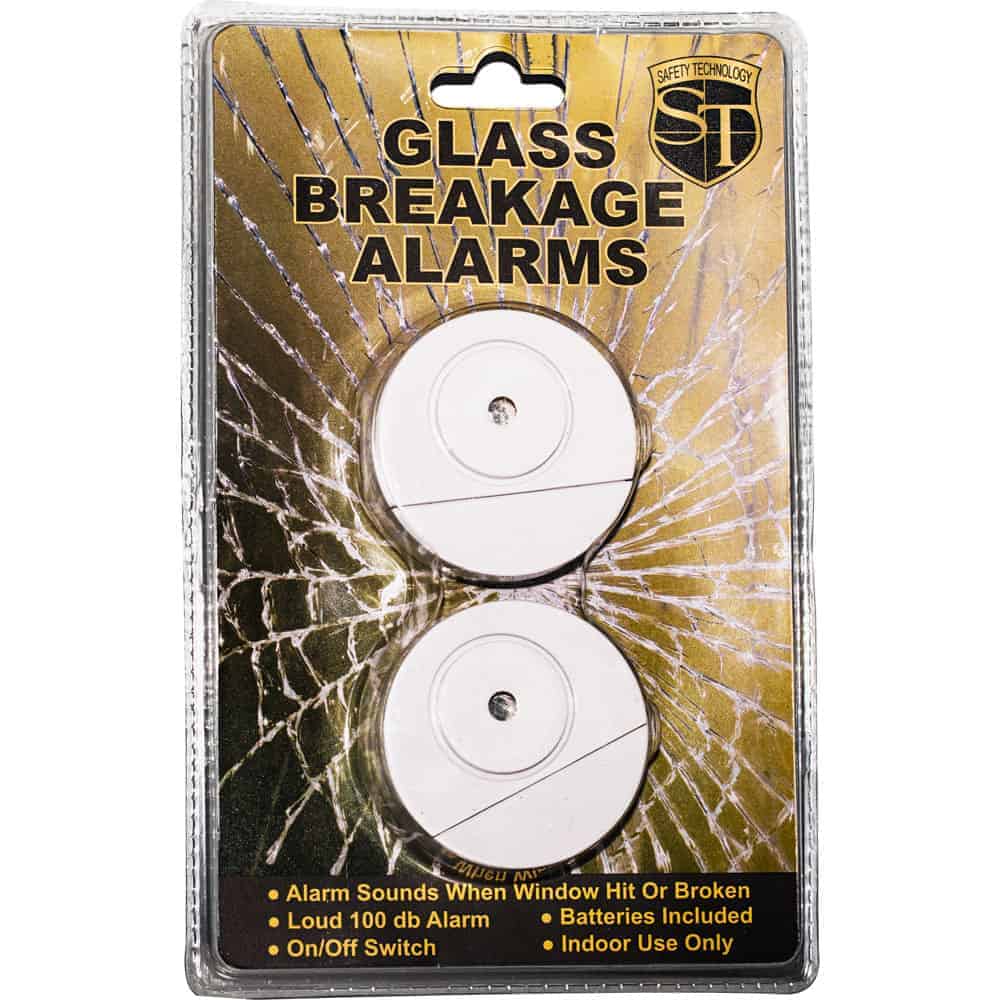
- Two windows covered with a single purchase
Consider something else if you need:
- Integration with a smart home or monitored alarm system
- Silent alerts sent to your phone rather than an audible siren
How the Sensor and Siren Work Together
The vibration sensor is the key feature here. It’s mounted directly on the glass, so it picks up the physical impact of someone striking the window — not just the sound of breaking glass from across the room. That means it responds faster and more reliably than acoustic sensors that listen for the frequency of breaking glass. Once triggered, the 100dB siren sounds for approximately 30 seconds. That’s roughly the volume of a power tool or a car horn at close range — noticeable in adjacent rooms and outside the building. After the cycle completes, the alarm resets automatically. No manual reset needed.
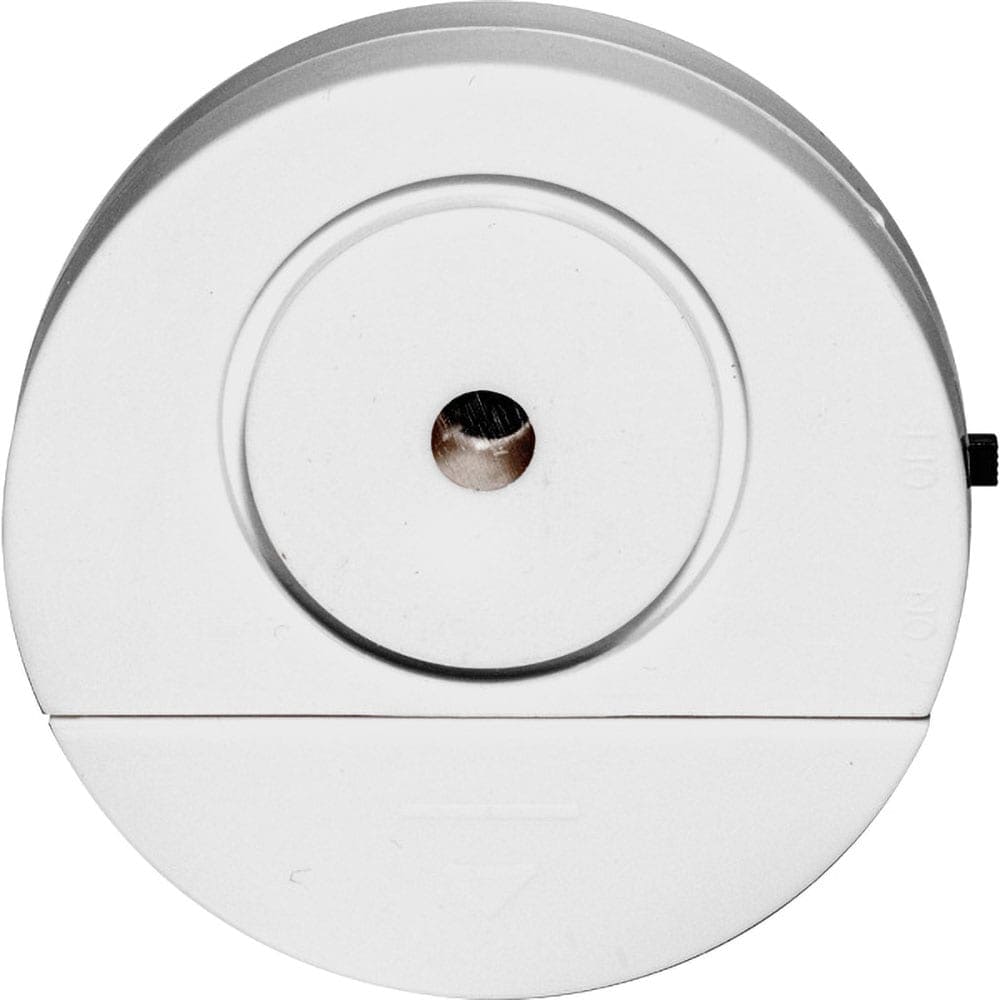
Installation uses the included peel-off adhesive. Clean the glass surface first for best adhesion, press it on, and switch the alarm to the active mode. That’s the whole process. Button cell batteries are included, so you can have both units running the same day they arrive.
Quick Comparison: How Does the Glass Break Alarm Stack Up?
| Feature |
Glass Break Alarm |
Magnetic Door/Window Alarm |
Motion Sensor Alarm |
Window/Door Security Bar |
| Trigger Type |
Vibration on glass ✓ |
Separation of magnet pair |
Motion in room |
Physical block, no alarm |
| Installation |
Peel-and-stick ✓ |
Peel-and-stick ✓ |
Surface mount |
Wedge or bracket |
| Renter-Friendly |
Yes ✓ |
Yes ✓ |
Yes ✓ |
Yes ✓ |
| Alarm Volume |
100dB ✓ |
90dB |
Varies |
None |
| Auto-Reset |
Yes, ~30 seconds ✓ |
Manual |
Varies |
N/A |
| Best For |
Windows, glass doors |
Hinged doors and windows |
Interior rooms |
Sliding doors, travel |
Practical Details
Each unit measures 2½” x ¾” and weighs 0.2 lbs — small enough that they sit flat on glass without being obvious. Power comes from three 1.5V LR44/AG13 button cell batteries per unit, and both sets are included in the pack. The housing is white, which blends cleanly with most window frames. Two units are included per purchase. Backed by Safety Technology.
Two windows, two alarms, one straightforward purchase — peel, press, and they’re working before you’ve finished your coffee.
Frequently Asked Questions
Will this trigger from vibrations other than someone hitting the glass — like a door slamming nearby?
The sensor is calibrated for impact directly on the glass surface, so ordinary household vibrations like footsteps or nearby door closings typically won’t set it off. That said, placement matters — mounting it on a window in a very high-traffic area where the glass itself gets regularly jostled may result in occasional false triggers. For most standard residential windows, it performs reliably.
How long do the batteries last?
LR44/AG13 button cell batteries in standby mode typically last quite a while — often a year or more with normal use. The alarm only draws significant power during the siren cycle, which is around 30 seconds at a time. It’s worth testing the units every few months to confirm they’re still active, and replacement batteries are inexpensive and widely available.
Can these be used on sliding glass doors as well as standard windows?
Yes — the vibration sensor works on any glass surface, so sliding glass doors are a reasonable application. You’d mount the unit on the glass panel itself, not the frame. One consideration: if the door is opened and closed frequently with some force, you may want to test placement to find a spot that doesn’t pick up routine door movement.
What happens after the 30-second alarm cycle — do I need to do anything to reset it?
No manual reset is needed. After the siren sounds for approximately 30 seconds, the alarm automatically resets to standby mode and is ready to trigger again. This is one of the more convenient features compared to some alarms that require you to switch them off and back on after each trigger.




Reviews
There are no reviews yet.