129 Decibels Gets Attention
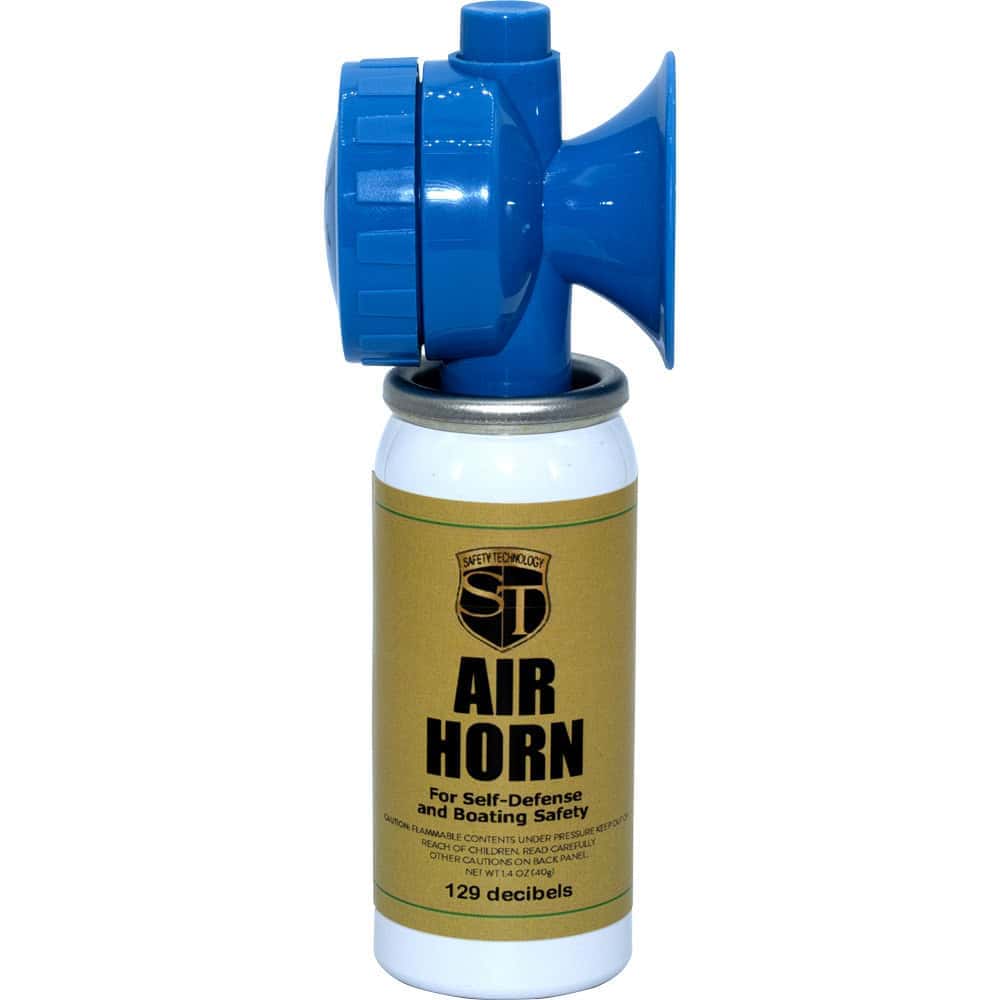
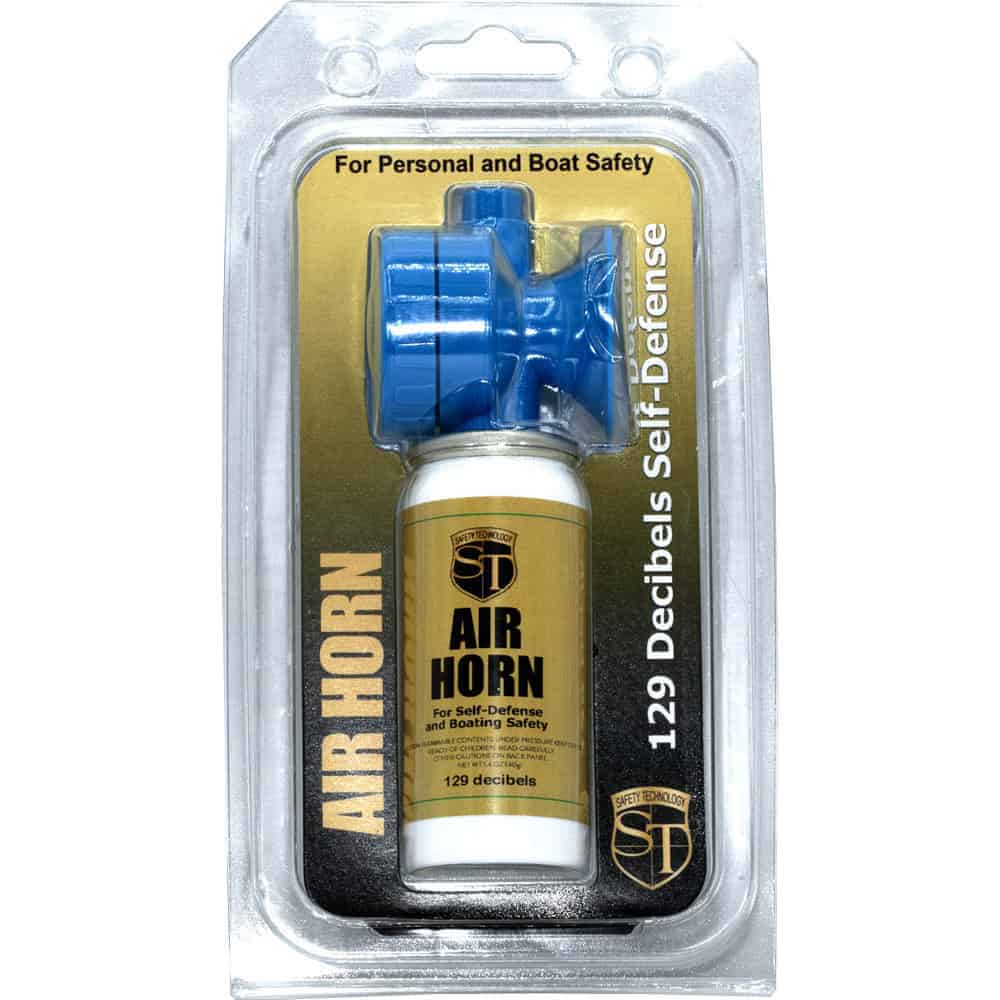
Most personal alarms sit around 100-120dB. This one puts out 129dB — which might not sound like a big jump, but decibels are logarithmic, meaning it’s genuinely significantly louder. At close range it’s disorienting. At distance it carries much further than a standard alarm. It’s the kind of sound that stops people and makes them look.
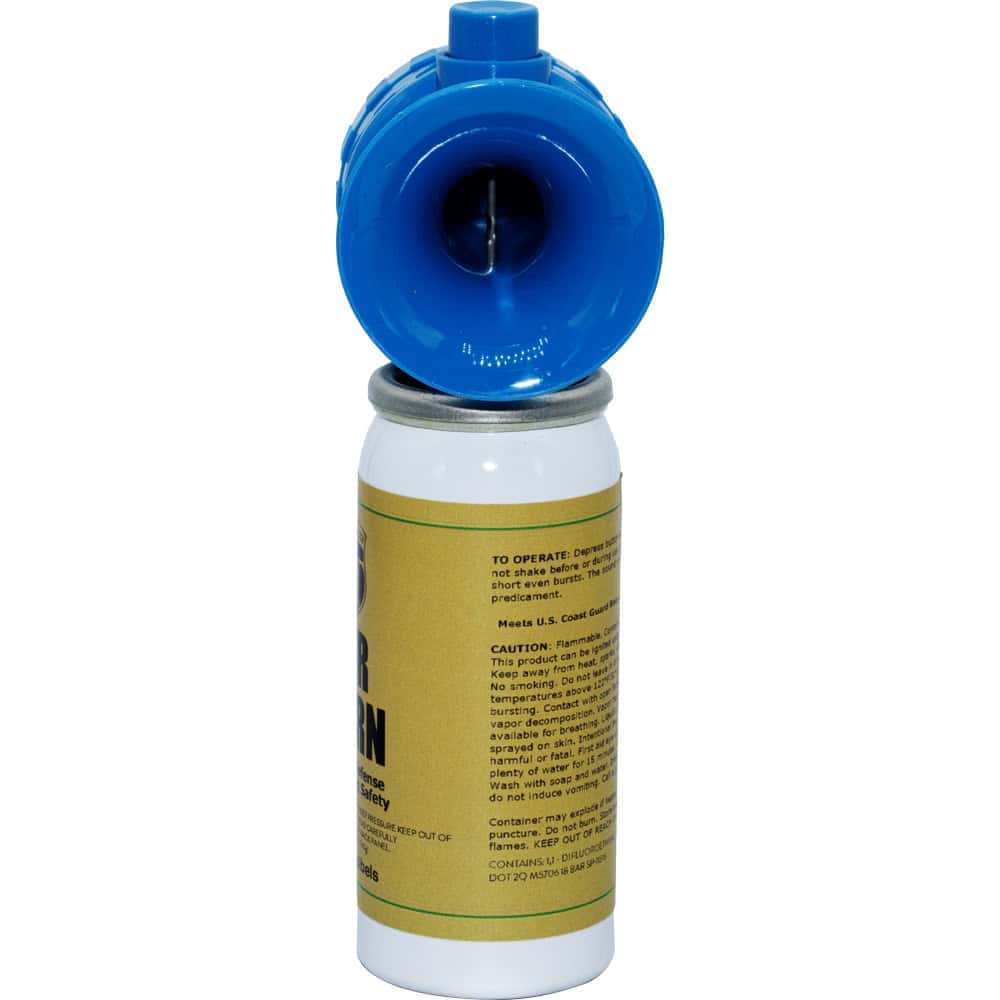
It’s also a real piece of safety equipment, not just a personal alarm dressed up with a different label — it meets actual US Coast Guard requirements for boats up to 65 feet, which means it’s built to perform when it counts.
Who This Air Horn Is For
If you spend time on the water — kayaking, boating, paddleboarding — this covers your Coast Guard signaling requirement in a compact, easy-to-carry package. It’s also practical for hikers and trail runners who want a loud emergency signal in case they need to flag down help or deter wildlife. It’s lighter and simpler than a whistle at this volume level.
For personal safety use, it’s a good option for people who want something louder than a standard keychain alarm — stadium parking lots, parking garages, solo travel in unfamiliar areas. The loud, sharp sound draws immediate attention from anyone nearby.
Is This the Right Choice for You?
Choose this air horn if you want:
- The loudest portable personal alarm option available
- A Coast Guard-compliant signaling device for boating
- A no-battery, ready-immediately emergency signal
- Something that works for both outdoor safety and personal protection
Consider something else if you need:
- A keychain-size alarm — this is compact but not quite keychain-sized
- A continuous alarm — air horns have a finite number of blasts per canister
- Something silent until you need it — this requires an active press to sound
How It Actually Works
There’s no battery, no charging, no button to fumble with — just press and it sounds. The compressed air canister is the power source, and it delivers a sharp, powerful 129dB blast immediately. That immediacy is worth noting: there’s no activation sequence, no PIN-pull required, just direct pressure.
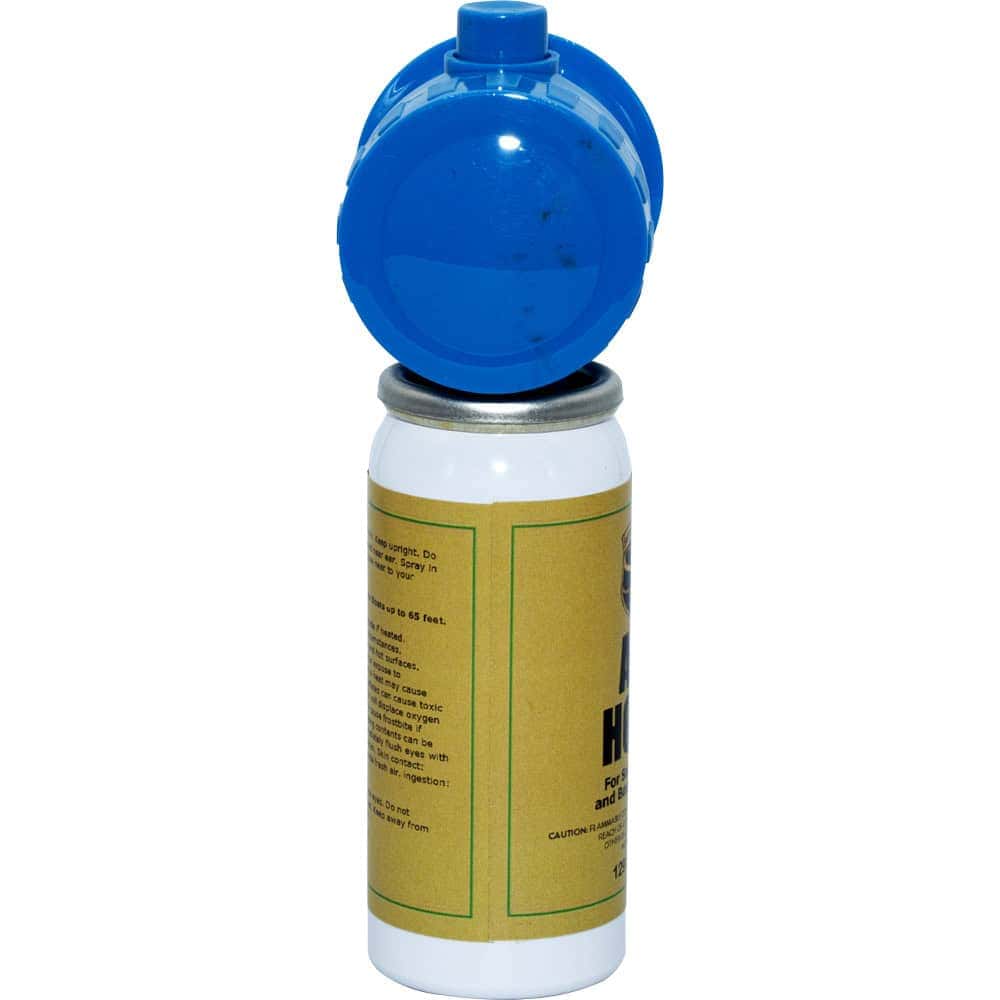
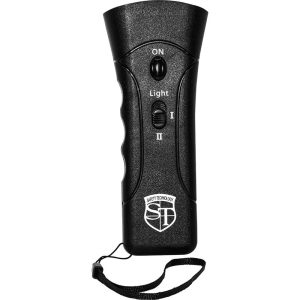
The size is practical — 5⅛” x 1¾” fits comfortably in a hand, a jacket pocket, a life vest pocket, a hiking pack side pocket, or a car’s center console. At 0.3 lbs it’s light enough to forget about until you need it.
One thing to keep in mind with any compressed air horn: each canister has a limited number of blasts. It’s not a device you test repeatedly — you want the pressure in the canister available when you actually need it. Test it once when you get it to confirm it works, then store it.
Quick Comparison: How Does the Air Horn Stack Up?
| Feature |
Air Horn (This) |
Keychain Personal Alarm |
Safety Whistle |
Pepper Spray |
| Volume |
129dB ✓ |
100-120dB |
~100dB |
N/A |
| Coast Guard Compliant |
Yes ✓ |
No |
Sometimes |
No |
| Battery Required |
No ✓ |
Yes |
No ✓ |
No ✓ |
| Legal Everywhere |
Yes ✓ |
Yes ✓ |
Yes ✓ |
Restrictions vary |
| Pocket/Pack Friendly |
Yes ✓ |
Yes ✓ |
Yes ✓ |
Yes ✓ |
| Finite Uses |
Yes |
No ✓ |
No ✓ |
Yes |
| Best For |
Boating, outdoor, max volume |
Everyday carry, campus |
Hiking, minimalist carry |
Close-range deterrence |
Practical Details
Dimensions are 5⅛” x 1¾” and it weighs 0.3 lbs. No batteries — compressed air canister. Range is effective up to 65 feet for Coast Guard signaling purposes; the sound carries considerably further in open conditions. One-year warranty from Safety Technology.
No legal restrictions — it’s a noise-making device, TSA policies may vary so check before packing in carry-on luggage.
If you’re on the water or in the outdoors and want a signaling device that actually carries, this is worth having in your kit.
Frequently Asked Questions
Does it really meet Coast Guard requirements?
Yes — this air horn meets US Coast Guard requirements for vessels up to 65 feet. That makes it a legitimate piece of boating safety equipment, not just a loud noisemaker. If you’re required to carry a sound-producing device on your boat, this covers that requirement while also being small enough to keep in a vest pocket or dry bag.
How many blasts does one canister provide?
The number of blasts depends on how long each blast is held, but compressed air canisters at this size typically provide several short bursts. It’s enough for emergency signaling purposes — you’re not going to run through it accidentally. That said, it’s not designed for repeated testing. Use one test blast when you receive it, confirm it works, and save the rest for when you need it.
Can I use this for personal safety, not just boating?
Absolutely. The 129dB output is loud enough to draw attention in any environment — a parking garage, a trail, a crowded area. It doesn’t have the direct deterrent effect that pepper spray does, but a sound that loud at close range is disorienting and immediately draws attention from everyone nearby. It’s a legitimate option for anyone who wants a loud, legal, no-battery personal safety signal.
Is this TSA-approved for air travel?
Compressed air horns are generally not permitted in carry-on luggage due to the pressurized canister. TSA typically allows them in checked baggage, but policies can vary. If you’re traveling with it, it’s worth checking the TSA website or your airline’s guidelines before packing it. For road trips, camping, and boating it’s completely unrestricted.
Reviews
There are no reviews yet.