Turn Your Personal Alarm Into a Flood Sensor
Water damage is one of those slow-moving problems that gets expensive fast, especially when nobody notices until it’s too late. A washing machine hose that gives out at 2am, a water heater that starts seeping — these aren’t dramatic events. They’re quiet ones. This attachment connects to your PAL-1 or PAL-1LIGHT and turns it into an early-warning system for exactly those situations.
Who This Water Sensor Is For
Homeowners who have a basement, laundry room, or aging water heater will find this worth having. Most water damage isn’t from catastrophic flooding — it’s from slow leaks in places nobody checks regularly. A sensor positioned at floor level gives you the alert before the damage spreads.
Renters can use it too. If you’re in an apartment with a washer/dryer hookup or a unit that’s had water issues before, this is an inexpensive way to catch a problem before it becomes your problem and your landlord’s argument.
It also works anywhere you want a low-tech water alert — near a sump pump, under a refrigerator with an ice maker, or along a basement wall during wet seasons.
Is This the Right Choice for You?
Choose this water sensor attachment if you want:
- An easy way to add water detection to a PAL-1 or PAL-1LIGHT you already own
- A simple, no-app, no-wifi flood alert for laundry rooms, basements, or utility areas
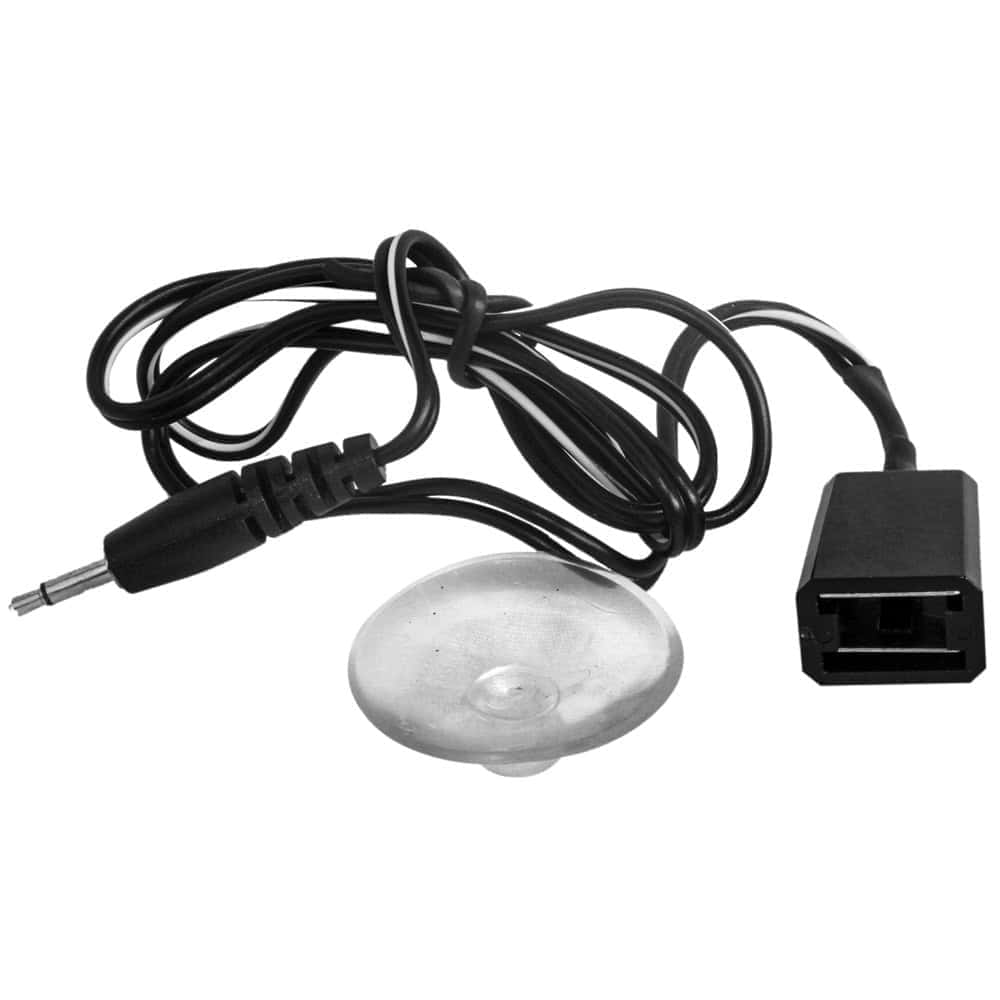
- A lightweight, tool-free installation with suction cup mounting
Consider something else if you need:
- A standalone water detector — this only works as an attachment to the PAL-1 or PAL-1LIGHT
- Smart home integration or phone alerts — this is a local audible alarm only
How It Works
The sensor attachment connects to the PAL-1 or PAL-1LIGHT alarm unit. When the sensor comes in contact with water — even a small amount — it completes the circuit and triggers the alarm on the connected unit. The response is immediate, which gives you the best chance of catching a leak before it spreads.
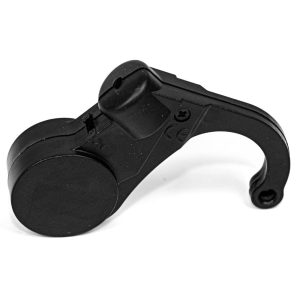
The included suction cup mounts securely on smooth surfaces like the side of a washing machine, a tile wall, or a vinyl floor. Position the sensor at the level where you’d want to detect water — typically low on a wall or resting on the floor near the potential source. Installation takes a couple of minutes and no tools.
One thing to keep in mind: the alarm volume and sound will be whatever your PAL-1 or PAL-1LIGHT produces, since the sensor itself doesn’t generate sound — it just triggers the connected unit.
Quick Comparison: How Does This Water Sensor Stack Up?
| Feature |
PAL Overflow Attachment |
Standalone Water Alarm |
Smart Water Sensor |
No Detection |
| Requires Existing Device |
Yes — PAL-1 or PAL-1LIGHT |
No ✓ |
No ✓ |
N/A |
| Phone / App Alert |
No |
No |
Yes ✓ |
No |
| Local Audible Alarm |
Yes ✓ |
Yes ✓ |
Some models |
No |
| Installation |
Suction cup, no tools ✓ |
Simple ✓ |
Requires wifi setup |
N/A |
| Cost |
Low ✓ |
Low–Mid |
Mid–High |
None |
| Best For |
PAL-1 owners adding water detection |
Simple standalone monitoring |
Remote monitoring while away |
N/A |
Practical Details
The water overflow sensor attachment weighs 0.1 lbs and measures 27.13″ x 0.13″ — the long thin dimension is the sensor wire, which gives you some flexibility in positioning it along a floor or baseboard. It’s black and comes with a suction cup for mounting. Compatible only with the PAL-1 and PAL-1LIGHT personal alarm units. No separate battery or power source required — it runs through the connected alarm unit.
If you already own a PAL-1 or PAL-1LIGHT, this is a two-dollar fix for a potentially expensive problem — worth adding to your order.
Frequently Asked Questions
Will this work with any personal alarm, or only the PAL-1 and PAL-1LIGHT?
This attachment is specifically designed to connect to the PAL-1 and PAL-1LIGHT alarm units from Safety Technology. It uses a proprietary connection and won’t interface with other brands or alarm types. If you don’t already own one of those units, you’d need to pick one up along with this attachment.
How sensitive is the sensor? Will humidity or condensation set it off?
The sensor is designed to detect direct water contact rather than ambient humidity or light condensation. Normal bathroom or laundry room humidity shouldn’t trigger a false alarm. That said, if you’re placing it in an extremely humid environment like directly inside a steam shower, you may want to test it first to see how it responds in that specific location.
How long is the sensor wire?
The sensor measures 27.13″ in length, which gives you a reasonable amount of reach from wherever you mount the suction cup. That’s enough to position the sensor along a baseboard or across a small section of flooring while keeping the alarm unit mounted at a convenient height on a nearby wall or appliance.
What happens after the alarm triggers — does it reset automatically?
Once the water is removed from contact with the sensor, the alarm should stop. You’d then need to dry the sensor before repositioning it. It’s a good idea to test the reset process in a controlled setting before relying on it — run a small amount of water over the sensor, confirm the alarm triggers, then dry it and confirm it stops. That way you know exactly how it behaves.

Reviews
There are no reviews yet.